
Airflow That Reaches Every Room Correctly
Duct Work in Lakeland for properties with uneven comfort, restricted airflow, and HVAC performance concerns
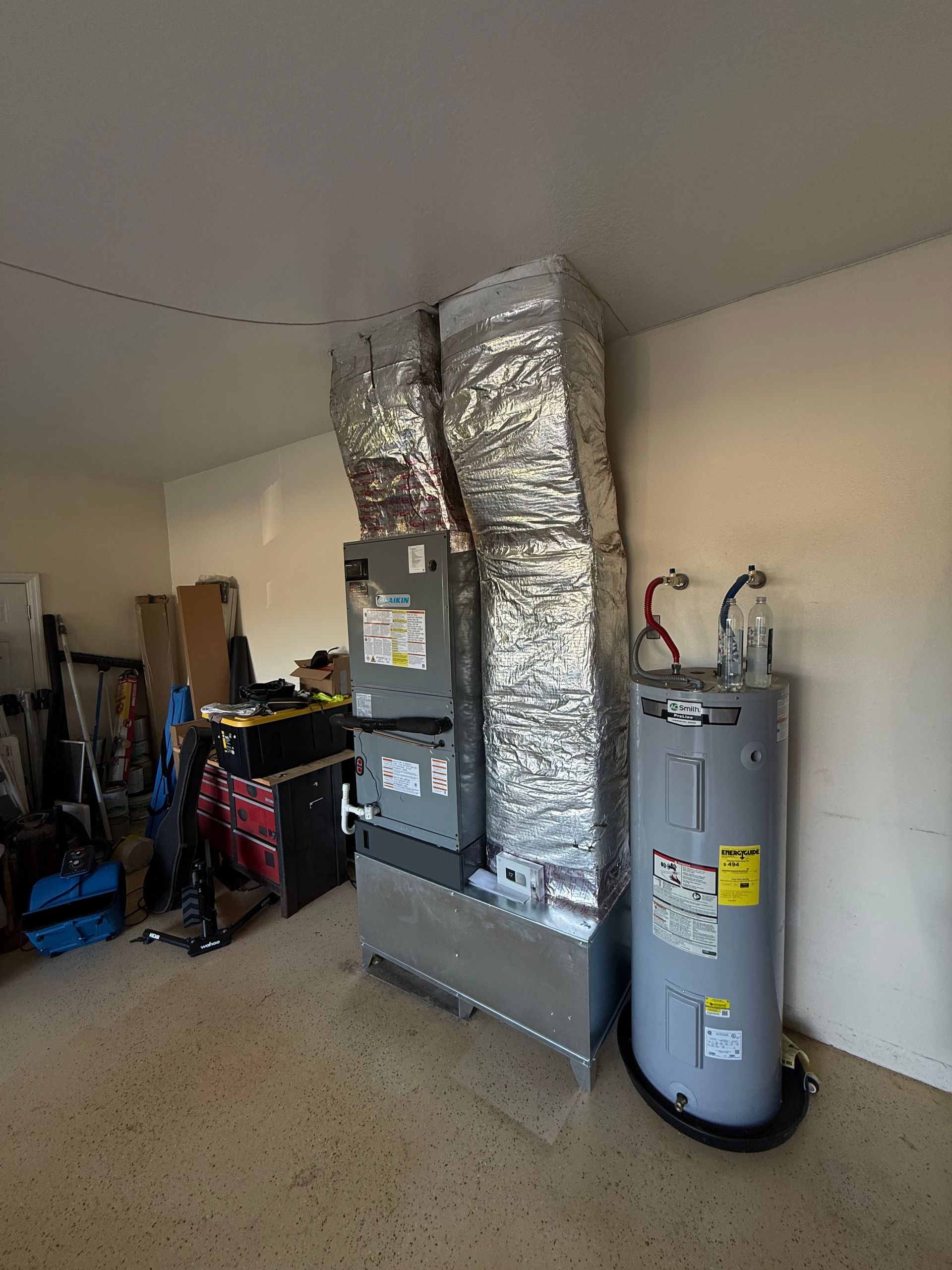
Ductwork that leaks conditioned air into your attic or crawl space wastes energy and creates hot or cold spots in rooms farthest from your HVAC equipment. You adjust the thermostat lower to cool a stuffy bedroom, which makes other rooms uncomfortably cold, or you notice weak airflow from certain registers even though your system runs constantly. Florida Locals Heating & Cooling evaluates duct systems for leaks, improper sizing, and design flaws that prevent even air distribution throughout properties in Lakeland, Bradenton, Palmetto, and surrounding areas, then recommends repairs or modifications that restore balanced comfort and allow your heating and cooling equipment to operate as efficiently as the manufacturer intended.
Duct work service includes inspecting accessible duct sections for disconnected joints, unsealed seams, and physical damage, measuring airflow at each register to identify distribution problems, and pressure testing the system to quantify total leakage. Repairs involve sealing leaks with mastic or approved foil tape, replacing damaged duct sections, and rebalancing airflow by adjusting dampers or resizing duct runs that restrict air movement.
Schedule a property evaluation to identify specific duct problems affecting comfort and system performance in your home or commercial building.
What You Notice Once Duct Work Is Finished
Duct evaluation begins with measuring airflow at each supply register and comparing those readings to the system's total capacity, revealing which rooms receive inadequate air delivery and whether the problem stems from leaks, undersized ducts, or closed dampers. The technician also inspects duct insulation in unconditioned spaces like attics, where uninsulated ducts allow heat gain in summer and heat loss in winter, reducing the temperature of conditioned air before it reaches living areas. In Lakeland's hot attics, this heat transfer significantly impacts cooling efficiency and drives up energy costs.
After duct repairs and sealing are complete, airflow from previously weak registers increases noticeably, rooms that were consistently warmer or cooler than the rest of the house reach the same temperature as other areas, and your HVAC system cycles less frequently because conditioned air reaches its intended destination instead of escaping through gaps and unsealed connections. You also see lower utility bills because the system no longer compensates for lost conditioned air by running longer cycles.
Some duct problems require replacing entire sections where flexible duct has compressed or kinked, blocking airflow completely. Others are resolved by sealing accessible joints and adding insulation to duct runs in attic spaces. The scope of work depends on whether your ducts are located in accessible areas or hidden behind finished ceilings and walls, which limits repair options without extensive demolition.
What Property Owners Usually Ask
Homeowners and commercial property managers in Lakeland and neighboring communities frequently have these questions about duct work services.
What causes duct leaks to develop over time?
Thermal expansion and contraction from temperature cycling loosens joints and separates seams, while physical damage from pest activity or attic storage can tear flexible duct and dislodge connections between rigid duct sections.
How do technicians locate duct leaks in hidden areas?
Pressure testing involves sealing all registers and measuring how much air escapes from the duct system under controlled pressure, quantifying total leakage even when the ducts are concealed in walls, floors, or attic spaces beyond direct inspection.
Why does duct sizing affect HVAC performance?
Undersized ducts restrict airflow like pinching a garden hose, forcing the blower motor to work harder and reducing the volume of conditioned air delivered to rooms, while oversized ducts can reduce air velocity so much that conditioned air never reaches distant registers effectively.
What distinguishes proper duct sealing from temporary fixes?
Professional sealing uses mastic or foil-backed tape rated for HVAC applications and applied to clean, dry surfaces, while standard duct tape degrades rapidly in hot attics and fails within months, allowing leaks to return.
When should duct replacement be considered instead of repair?
Ducts that have compressed to less than half their original diameter, show extensive mold growth, or have sustained major physical damage typically require replacement rather than repair to restore proper airflow and indoor air quality.
Florida Locals Heating & Cooling evaluates duct systems for leaks, design problems, and airflow restrictions that affect comfort and efficiency throughout your Lakeland area property. Request a detailed assessment to determine which duct issues are affecting your HVAC system's performance and what work will resolve those problems.